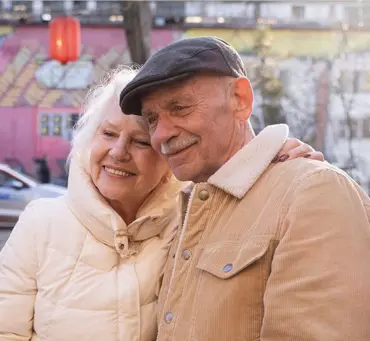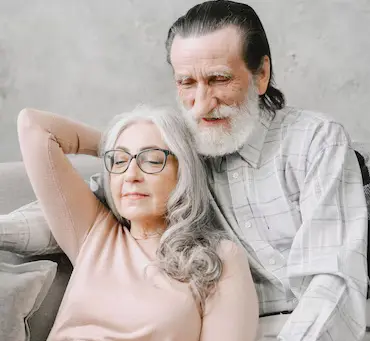
For decades, the image of the "elderly" in popular culture has been one of serene domesticity: knitting needles clicking by the fireplace, a quiet game of chess, grandchildren visiting on Sundays. Within this sanitized frame, there is no room for romance, let alone sexuality. The assumption has been that desire, like youth, fades; that the need for intimacy and physical connection evaporates with the arrival of retirement and the aches of aging. This cultural erasure is so pervasive that the very concept of an older person as a sexual being is often met with discomfort, ridicule, or outright disbelief.
Yet, the reality is starkly different. As the global population ages—with the number of people aged 60 and over expected to double by 2050—the conversation around elderly sexuality is not just a matter of personal liberation but a critical public health and social justice issue. The taboos surrounding this topic are not benign; they contribute to loneliness, depression, increased risk of sexually transmitted infections (STIs) due to lack of education, and a profound denial of human rights for a significant segment of the population.
Breaking down these taboos requires a multi-faceted approach. It demands that we dismantle stereotypes of the "asexual elder," confront ageism within the medical and family spheres, acknowledge the evolving landscape of senior dating in the digital age, and recognize that the need for intimacy, connection, and sexual expression is a lifelong continuum. This article delves deep into the origins of these taboos, explores the current reality of sexuality in later life, and charts a path forward toward a more inclusive and honest understanding of aging.
Part I: The Roots of the Taboo
The suppression of elderly sexuality is not a universal human condition; it is a cultural construct, deeply embedded in Western and increasingly globalized ideals of beauty, productivity, and the lifecycle. To understand how to break down these barriers, we must first excavate their foundations.
The Medicalization of Aging
For much of the 20th century, the medical establishment viewed aging primarily as a process of decline. The focus was on pathology, not wellness. In this framework, sexual function in older adults was either ignored or treated as a problem to be solved—typically with a paternalistic shrug suggesting it was "normal" to lose interest. The advent of Viagra in 1998 marked a turning point, but it was a double-edged sword. While it brought male erectile dysfunction into the public discourse, it did so through a lens of pharmaceutical intervention, often reinforcing the idea that sexuality is only valid if it involves penetrative sex. For women, the narrative remained one of "loss"—of estrogen, of libido, of vaginal elasticity—with little focus on pleasure, adaptation, or the redefinition of intimacy.
Ageism and the "Yoking" of Desire to Youth
Our society is obsessed with youth. Advertising, media, and entertainment consistently portray sexual desirability as the exclusive domain of the young, taut-bodied, and wrinkle-free. This creates a powerful form of internalized ageism. Many older individuals absorb this message, believing that their own desires are inappropriate, embarrassing, or "dirty." This self-censorship is perhaps the most insidious form of the taboo. As one 72-year-old woman interviewed for a gerontology study put it, "I felt like I was supposed to pack away my sensuality with my high heels. I was told I should be a grandmother, not a girlfriend."
The Family as a Gatekeeper
The family unit often becomes an unintentional enforcer of this taboo. Adult children, motivated by concern and a desire to protect their parents, can become gatekeepers of their parents' intimate lives. The idea of a parent dating, or remarrying, can provoke complex emotional responses, from anxiety over inheritance to a visceral discomfort with imagining a parent as a sexual being. This is particularly acute when it comes to sexuality in assisted living or nursing home settings. Stories of staff separating elderly couples who are "holding hands too much" or families protesting a romantic relationship between two residents are commonplace. This infantilization—treating elders as children who need to be protected from their own desires—is a direct manifestation of the taboo.
Part II: The Reality of Sexuality in Later Life
Despite the societal pressure to become invisible, a growing body of research, activism, and personal testimony reveals a vibrant and complex reality. Sexuality in older adults is not a monolith; it is as diverse as the individuals themselves.
The Numbers Tell a Different Story
Studies consistently show that many older adults remain sexually active well into their 70s, 80s, and beyond. The National Social Life, Health, and Aging Project (NSHAP), a landmark longitudinal study in the United States, found that a significant percentage of adults aged 57–85 reported being sexually active, with many engaging in sexual activity two to three times per month. While physical health and the availability of a partner are factors, the desire for intimacy, touch, and sexual expression persists. Furthermore, the definition of "sex" often expands in later life. For many, it shifts from a focus on intercourse to a broader spectrum of intimacy—kissing, cuddling, oral sex, and manual stimulation—that can be deeply fulfilling and less impacted by the physical changes of aging.
The Rise of Senior Dating
One of the most significant cultural shifts in the past two decades has been the explosion of senior dating. The internet has democratized the search for companionship, allowing older adults to bypass traditional social constraints. Platforms dedicated to dating for seniors have proliferated, offering spaces where individuals can be upfront about their age, their histories, and their desire for connection. No longer are widows and widowers relegated to awkward introductions through church socials or well-meaning relatives. They can now actively curate their own romantic futures.
The language of this new landscape is telling. Over 50 dating has moved from a niche market to a mainstream demographic. These platforms understand that the motivations for mature dating are complex. For some, it is about finding a travel companion; for others, it is about looking for a romantic partner for a second chapter of life; and for many, it is about finding a sexual partner with whom they can share physical intimacy without the pressure of a traditional courtship. The stigma that once surrounded senior dating is gradually eroding as more people recognize that the desire for partnership does not expire.
Part III: The Modern Landscape—Navigating Senior Dating
The digital realm has become the primary frontier for breaking down taboos. It offers anonymity, choice, and a sense of agency that was previously difficult to access. However, navigating this world comes with its own unique set of challenges and opportunities.
From Stigma to Strategy
The shift from viewing senior dating as a sign of desperation to a proactive strategy for well-being is profound. Today, senior dating sites are marketed not as a last resort, but as a smart, sophisticated way to find companionship. These platforms use sophisticated algorithms to match based on values, lifestyle, and interests, moving beyond the superficiality that often plagues mainstream apps. The rise of over 50 dating apps has further normalized the practice, placing it in the palm of one’s hand and integrating it seamlessly into daily life.
For many, this is the first time they have ever "dated." They may have married young and spent 40 years with a single partner. The prospect of a first date after a long marriage ending in widowhood or divorce can be terrifying. However, the senior dating scene has cultivated its own etiquette. There is often a refreshing honesty and directness. As one 65-year-old man noted, "At this age, we don't have time for games. If you're looking for a companion, you say so. If you're looking for a sexual relationship, you say so. The pretense is gone."
Safety, Scams, and Sexual Health
Breaking down taboos also means addressing the shadow side of this new freedom. Senior dating comes with risks that are rarely discussed. Older adults are disproportionately targeted by online romance scams, which can lead to devastating financial and emotional ruin. The taboo around discussing finances and relationships leaves many vulnerable. Furthermore, the misconception that older adults are not at risk for STIs is dangerously pervasive. Because of the taboo, safe sex education is rarely targeted at this demographic. Consequently, rates of HIV, syphilis, and other STIs are rising among the over-50 population. Breaking the taboo means openly discussing condom use, sexual histories, and regular STI testing as part of condom use, sexual histories, and regular STI testing as part of, just as it is for younger generations.
Part IV: Medical and Psychological Perspectives
The medical and psychological communities are slowly shifting their paradigms, moving from a model of dysfunction to one of wellness and support. This shift is critical to dismantling the institutional taboos that have long constrained elderly sexuality.
The Role of Healthcare Providers
One of the most significant barriers to healthy sexuality in later life is the silence that occurs in the doctor’s office. Many older patients are too embarrassed to bring up concerns about sexual function, libido, or the safety of sexual activity after a heart attack or surgery. Conversely, most healthcare providers—including geriatricians—do not routinely ask about sexual health. This mutual silence perpetuates the taboo and leaves treatable issues unaddressed.
A growing movement in geriatric medicine advocates for a simple change: routinely asking patients, "Are you sexually active? Do you have any concerns about your sexual health?" This normalization of the conversation sends a powerful message: that this aspect of life matters. It allows for the management of chronic illnesses in a way that preserves sexual function, the safe continuation of sexual activity post-surgery, and the treatment of conditions like vaginal atrophy or erectile dysfunction without shame.
The Psychology of Intimacy
From a psychological standpoint, intimacy in later life is often associated with resilience. The ability to form and maintain intimate bonds is a key factor in "successful aging." For those who have lost a spouse, the decision to re-enter the senior dating scene is an act of profound resilience. It requires grieving the past while being open to a new future.
Psychologists who work with older adults note that intimacy often deepens in later years. Freed from the pressures of child-rearing and career ambition, older couples—and new partners—can focus on emotional connection, companionship, and mutual care. For those entering senior dating after divorce, there is often a clearer sense of self and what they want from a partner. They are less likely to tolerate unhealthy dynamics and more focused on genuine compatibility.
Part V: Social and Cultural Shifts
The dismantling of taboos is not happening in a vacuum; it is part of a broader cultural shift driven by demographic changes, media representation, and the activism of older generations themselves.
Representation in Media
For a long time, the few depictions of elderly sexuality in film and television were played for laughs—the lecherous old man or the desperate cougar. Today, there is a slow but significant move toward more nuanced portrayals. Films like The Best Exotic Marigold Hotel, Amour, and Hope Gap, and television series like Grace and Frankie, are exploring the romantic and sexual lives of older characters with dignity, humor, and complexity. Jane Fonda and Lily Tomlin’s portrayal of two women navigating divorce, friendship, and new romantic relationships in Grace and Frankie has been particularly groundbreaking, demonstrating that the over 50 dating experience is rich with emotional depth.
This representation matters. It provides a cultural permission slip for older individuals to see themselves reflected as desirable, complex, and actively engaged in romance. It challenges the younger generation to adjust their own perceptions, slowly eroding the family-based gatekeeping that stifles so many relationships.
Intergenerational and LGBTQ+ Considerations
The conversation around elderly sexuality must also be intersectional. The experiences of LGBTQ+ elders are distinct and often more challenging. Many came of age during a time when homosexuality was illegal or classified as a mental illness. They have faced a lifetime of stigma and may be more distrustful of healthcare systems. The senior dating scene for LGBTQ+ individuals is often complicated by a smaller pool of potential partners and the lingering trauma of past discrimination. However, this community also has a history of creating chosen family and resilient social networks, which are now being leveraged to create inclusive spaces for mature dating.
Furthermore, intergenerational relationships—once the subject of scandal—are becoming less stigmatized, particularly as consenting adults. This is another area where the taboo is breaking down, with society slowly acknowledging that connection is not bound by age.
Part VI: A Path Forward—How We Break the Taboo
Breaking down the taboos surrounding sexuality among the elderly is not about encouraging a particular behavior; it is about restoring agency, dignity, and the freedom to choose. It is a collective effort that requires action at multiple levels.
1. Education and Lifelong Learning
Sex education does not end at 25. We need public health campaigns and educational programs specifically designed for older adults that address the changing nature of bodies, the importance of safe sex, and the realities of senior dating. These should be offered in community centers, retirement communities, and through healthcare providers. Similarly, medical and nursing schools must incorporate comprehensive training on geriatric sexual health into their curricula.
2. Reforming Institutional Policies
The most vulnerable older adults are often those in assisted living facilities, nursing homes, and long-term care institutions. We must advocate for policies that respect residents’ rights to privacy, intimacy, and sexual expression. This means training staff on how to support residents’ relationships, creating spaces for private moments, and ending the practice of separating couples based on the discomfort of staff or family members. Some forward-thinking facilities are now designating "couples’ suites" and providing relationship counseling for residents—a model that should become the norm.
3. The Role of Technology and Community
Technology will continue to be a powerful tool for breaking taboos. Senior dating sites and over 50 dating apps must continue to evolve, with better safety features, fraud protection, and community guidelines that foster respect. Beyond dating apps, social platforms that connect people based on shared interests—hiking, book clubs, travel—provide low-pressure environments for organic connection. Building communities where mature dating is just one aspect of a vibrant social life helps to normalize the process.
4. Open Family Conversations
Perhaps the most difficult but necessary shift must occur within families. Adult children need to recognize that their parents are autonomous adults. Having a conversation about a parent’s romantic life should be approached with the same respect and support one would offer a peer. This includes discussing safety and financial planning without judgment. A family that can openly support a parent’s entry into the senior dating scene is a family that has successfully challenged one of the deepest-seated taboos.
5. Embracing a New Narrative
Ultimately, breaking the taboo requires a new narrative about what aging means. It means moving away from the "decline and loss" model and toward a model of "growth and adaptation." It means celebrating the wisdom, patience, and emotional intelligence that older individuals bring to relationships. The desire for connection—for a hand to hold, for shared laughter, for physical intimacy—is a fundamental human need that does not retire. By acknowledging this, we not only improve the lives of older adults but also reshape our own expectations of the life ahead.
The taboos surrounding sexuality among the elderly are a relic of a bygone era, a time when people retired at 65 and lived only a handful of years thereafter. Today, a 65-year-old can expect to live another 20 years or more. To suggest that a person should spend two decades of their life devoid of touch, intimacy, and sexual expression is not just unrealistic; it is a form of cruelty.
The landscape is changing. The proliferation of senior dating platforms has created a new, visible community of people who refuse to fade into the background. The rise of dating for seniors as a normal, discussed part of life is chipping away at the stigma. The acceptance of over 50 dating as a legitimate and vibrant phase of romantic life is growing. And for those engaged in mature dating, the journey is increasingly one of self-discovery, joy, and connection.
But we are not there yet. To fully break down these taboos, we must continue to push for better healthcare, more nuanced media representation, institutional reforms that protect the rights of the most vulnerable, and open conversations within our own families. We must confront our own ageism—both external and internal—and recognize that the need for love and connection is timeless.
The elderly are not a separate species. They are our future selves. When we deny them their sexuality, we deny a part of our own humanity. By breaking these taboos, we are not just liberating the older generation; we are laying the groundwork for a society where aging is seen not as an ending, but as a continuing, vibrant, and intimate chapter of life. The conversation has begun. It is time to listen, to learn, and to dismantle the silence for good.
Find your senior match now