When asked to name a country where elderly people thrive, Denmark often comes to mind. Danish seniors regularly rank among the longest‑lived in Europe, and their quality of life in later years is the envy of many nations. But what is their secret? The answer lies not in a single magic bullet, but in a combination of lifestyle habits, a unique social fabric, and a healthcare system backed by compelling data.
A foundation of diet and movement
The Danish approach to diet and exercise is refreshingly balanced. Traditional eating habits emphasize fresh, seasonal ingredients - plenty of fish, whole grains, root vegetables, and moderate portions of meat. The famous "hygge" lifestyle, which celebrates cosy, simple pleasures, also encourages home‑cooked meals made from whole foods. Added sugar and heavily processed items are occasional treats rather than daily staples.
Physical activity is woven into everyday life. Denmark is a nation of cyclists; it is common to see people in their seventies and eighties riding bicycles to the market or to visit friends. This low‑impact, consistent movement keeps the cardiovascular system strong, supports joint health, and helps maintain muscle mass well into old age. Rather than viewing exercise as a chore, Danish seniors simply stay active as part of their daily routine.
Social connections: the overlooked pillar
Perhaps even more important than diet and exercise is the strength of social bonds. Danish culture places a high value on community, trust, and mutual support. Many seniors live in senior co‑housing communities (bofællesskaber) designed to encourage interaction - shared dinners, common gardens, and group activities reduce loneliness, which is a known risk factor for premature death.
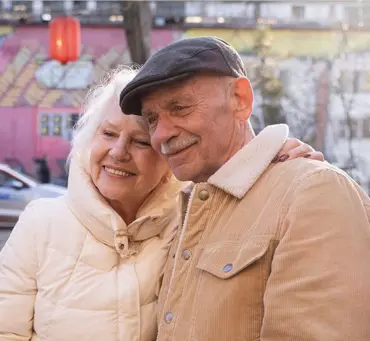
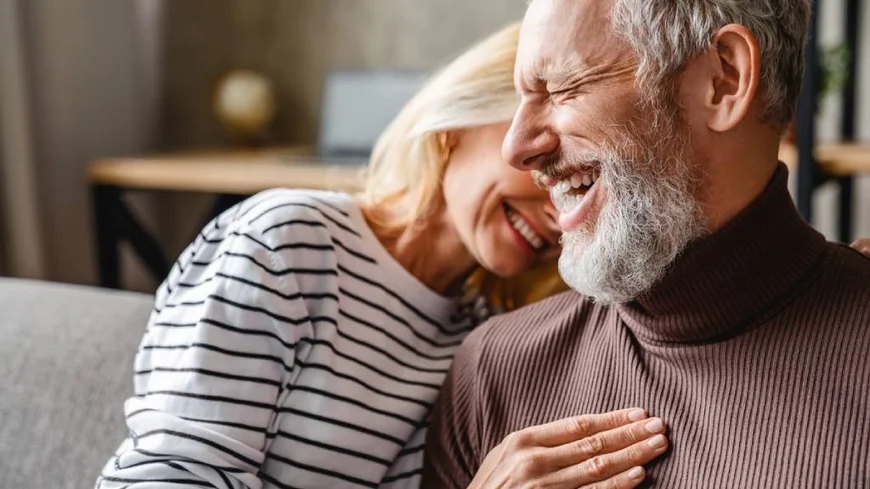
What is particularly noteworthy is the open and inclusive attitude toward relationships in later life. Senior dating is not a taboo subject; rather, it is seen as a natural part of staying socially and emotionally engaged. From community centre dance evenings to dating platforms tailored for the over‑60 crowd, Danish seniors are encouraged to form new romantic connections. Such relationships provide emotional fulfilment, a sense of purpose, and even practical support - all of which contribute to both mental and physical resilience.
What the data tells us
The numbers speak clearly. According to Statistics Denmark and OECD health data, life expectancy at age 65 in Denmark has risen steadily over the past two decades, now ranking among the top tier in the European Union. The Danish Health Authority reports that the proportion of elderly people rating their own health as "good" or "very good" is significantly higher than the European average.
Data also reveal a comparatively low rate of chronic loneliness among Danish seniors, which researchers attribute to strong social infrastructure - from public senior centres to active retirement communities. Moreover, Denmark's healthcare system emphasizes preventive care and geriatric specialization, ensuring that age‑related conditions are managed early. When experts at the World Health Organization analysed healthy life expectancy in Northern Europe, they noted that Denmark's combination of universal healthcare, walkable urban design, and social policies that promote inclusion creates an environment where aging does not mean isolation.
A holistic model of aging
What makes Denmark's story compelling is that none of these factors works alone. A healthy diet supports the energy needed to stay active; regular cycling makes it easy to visit friends or attend community events; a rich social life, including the possibility of Senior dating, keeps the mind engaged and the heart connected; and a responsive healthcare system provides peace of mind. Together, they form a virtuous cycle that extends both lifespan and healthspan. For countries looking for to improve the well‑being of their aging populations, the Danish model offers a powerful lesson: longevity is not merely about adding years to life, but about weaving life into those years - through movement, meaningful connection, and a society that never stops valuing its elders.
Find your senior match now